

Sanibel Island Condo Rentals
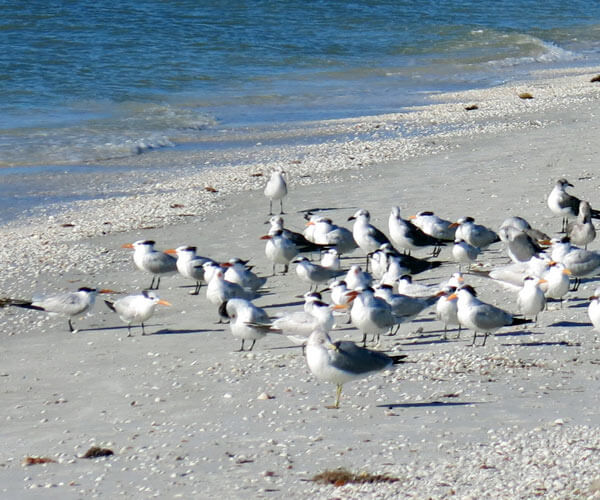
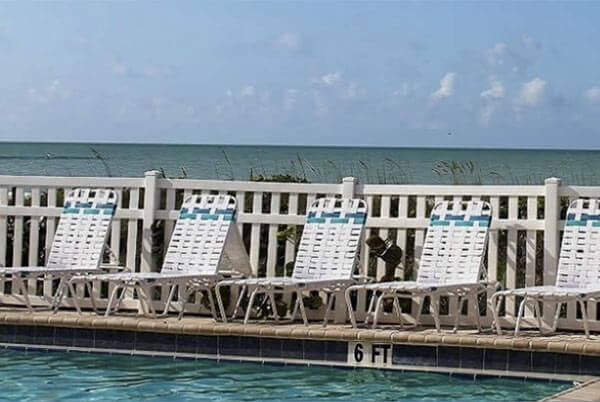
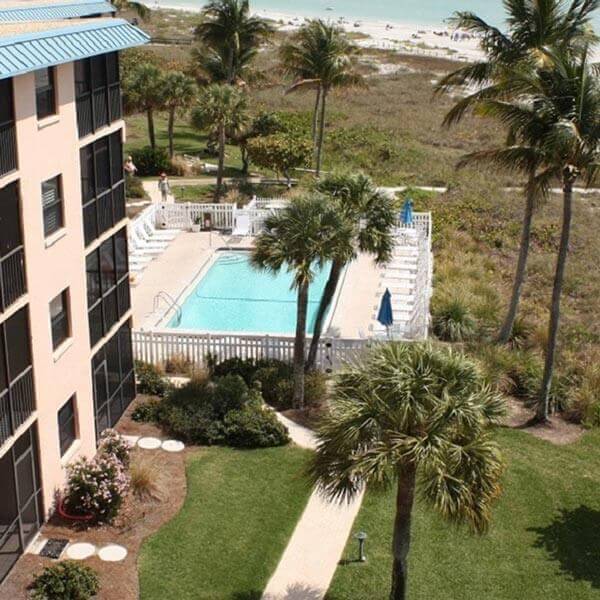
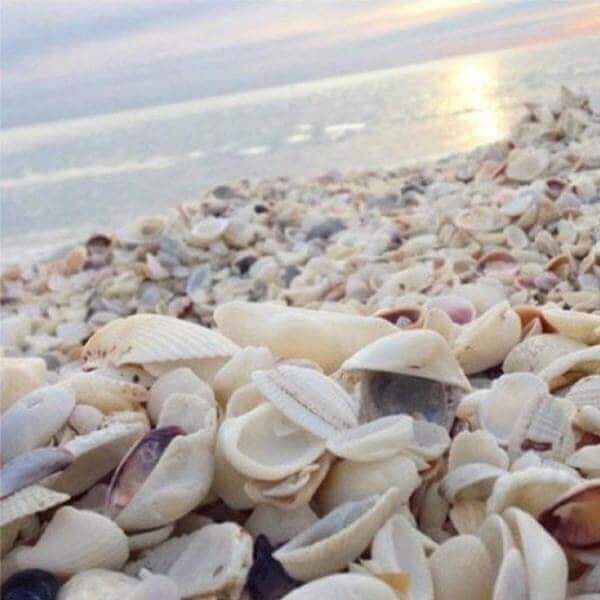
What do you think of when you think of Sanibel? If you’re like us, your dream Sanibel Island vacation is filled with incredible shelling on one of Southwest Florida’s most exquisite, unspoiled beaches, afternoons spent exploring over 25 miles of island bike paths, then gathering with friends for a round of pickleball and taking a dip in our beachfront heated pool before relaxing in one of our oceanfront condo rentals. You deserve all of this, and more, and you can find it here at Ocean’s Reach.
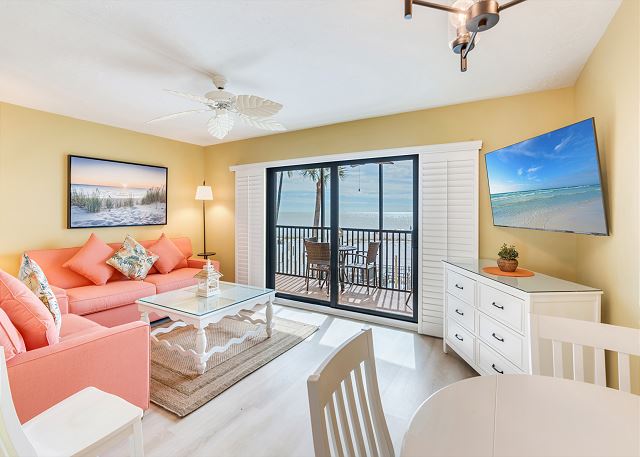
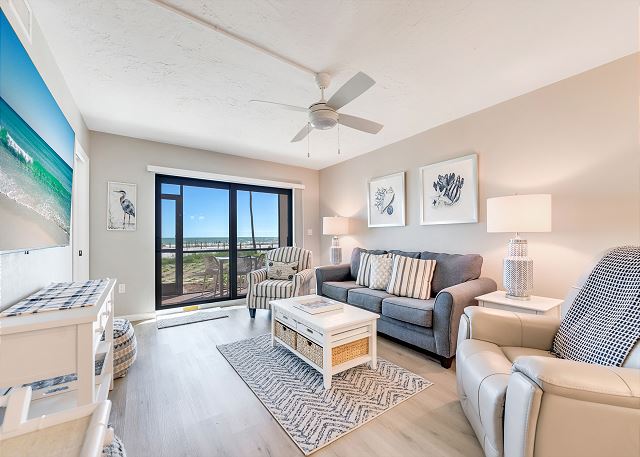
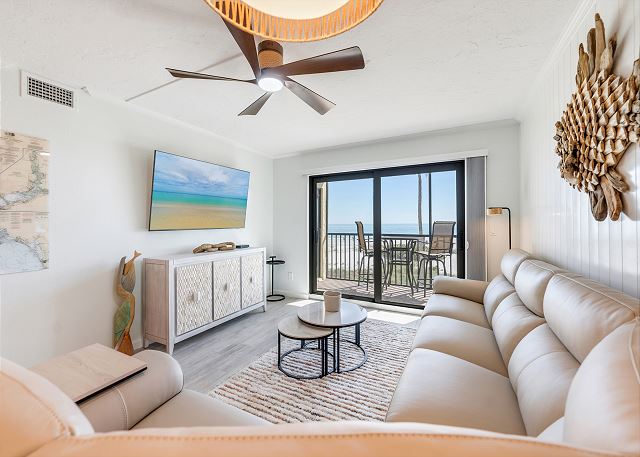
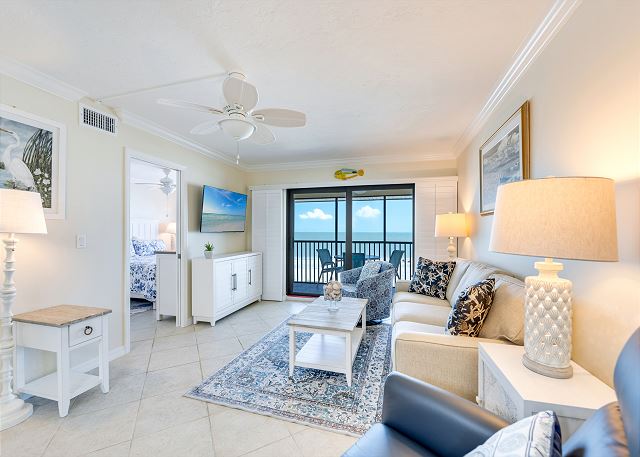
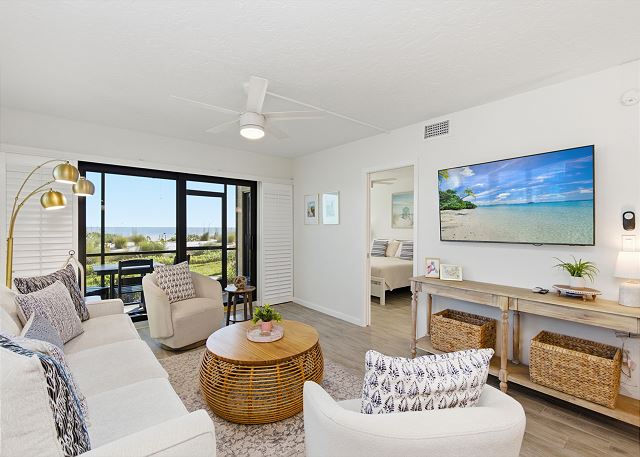
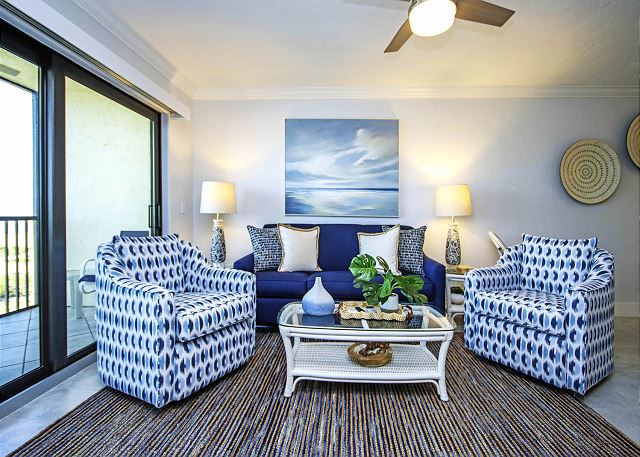
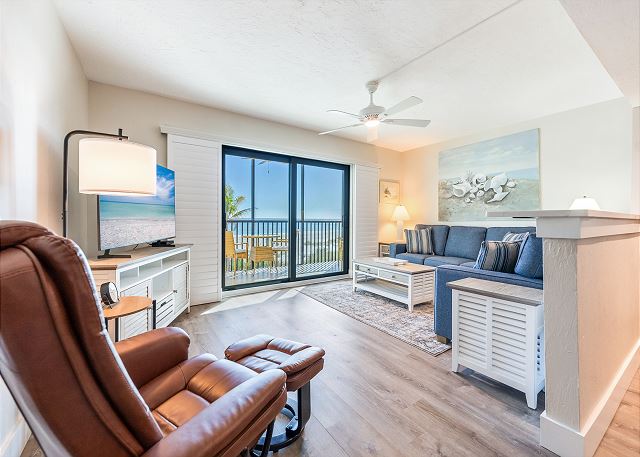
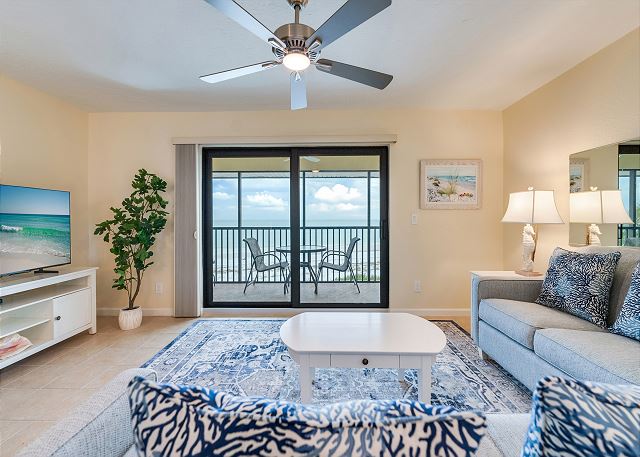
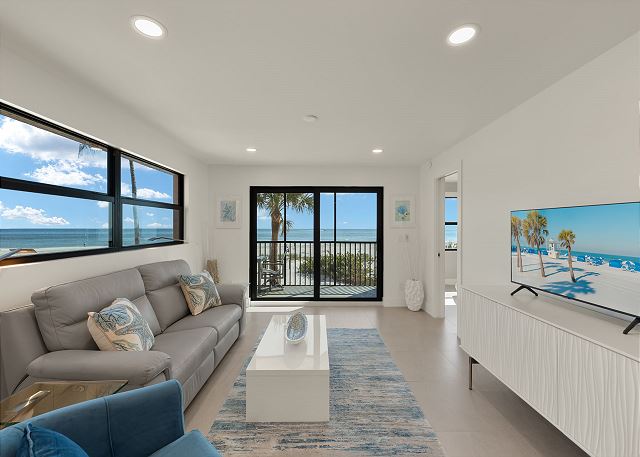
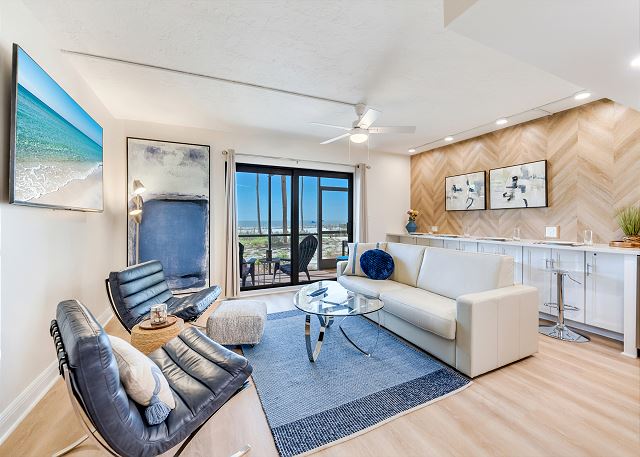
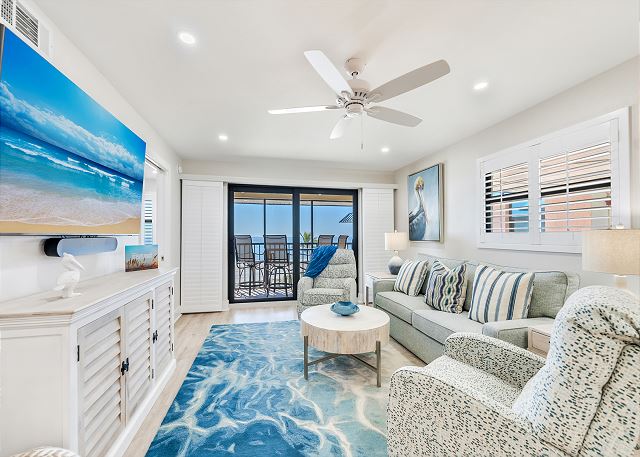
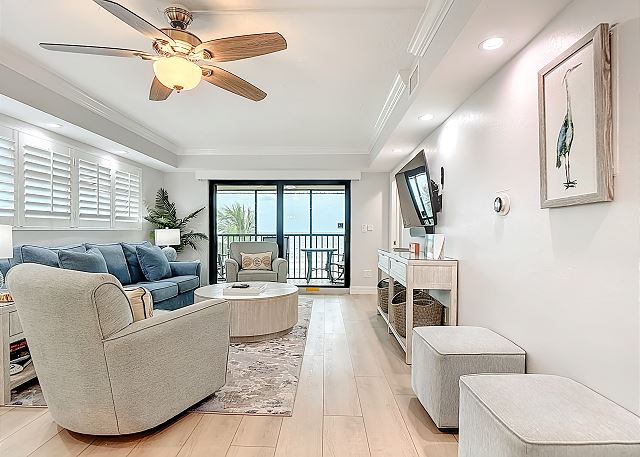
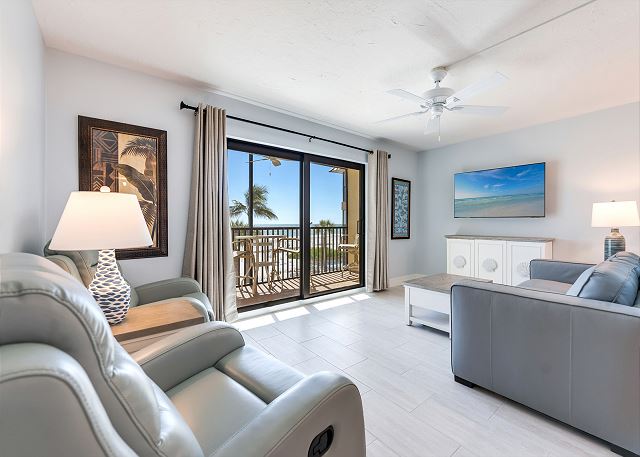
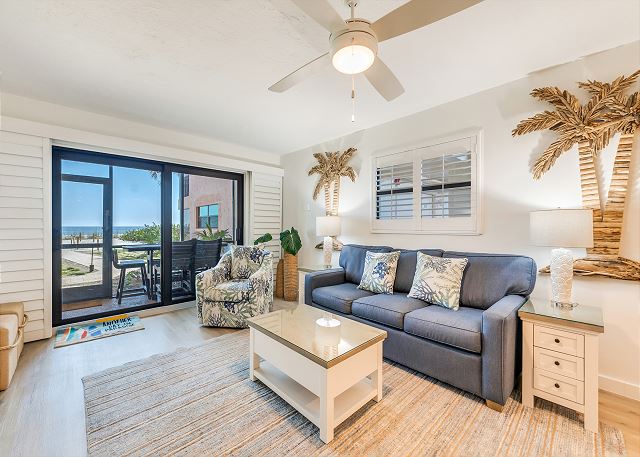
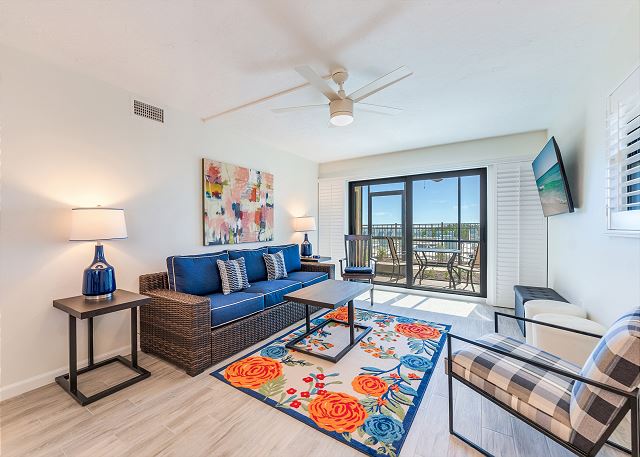
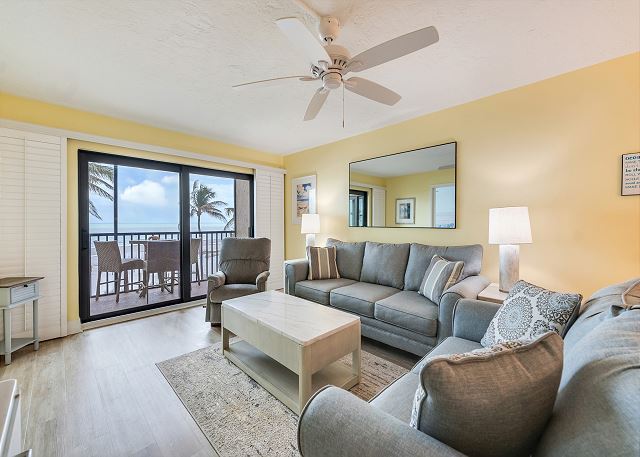
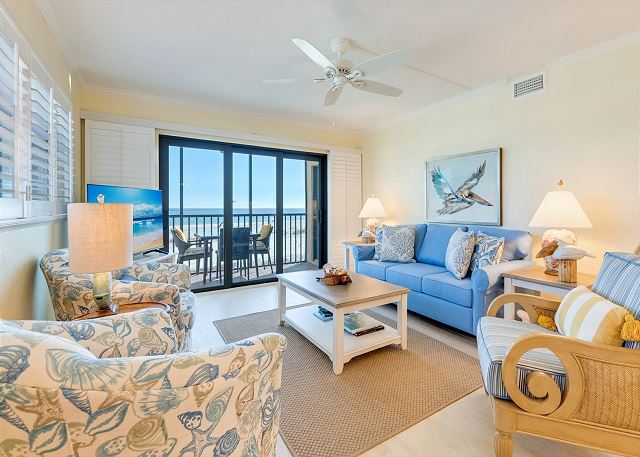
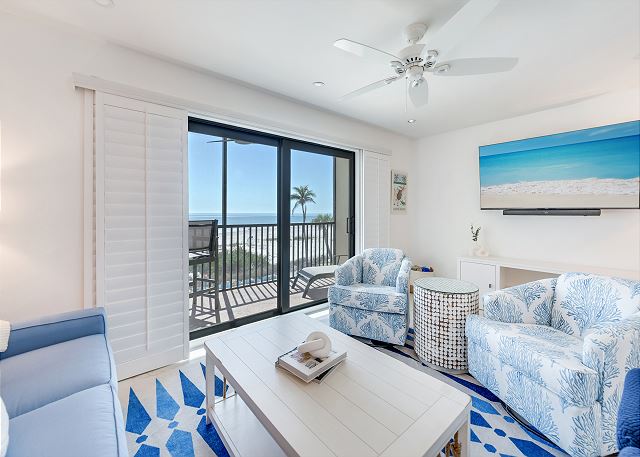
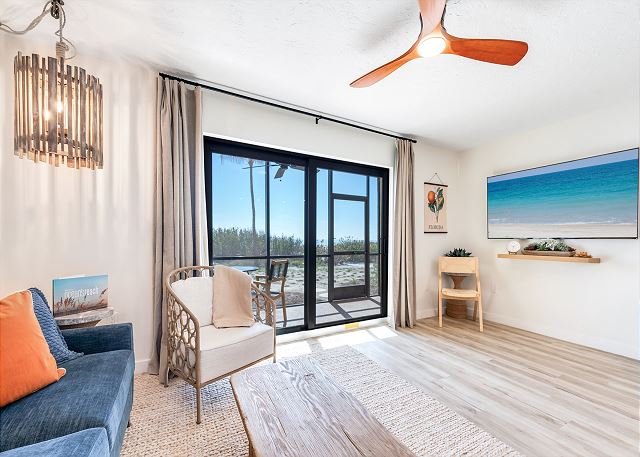
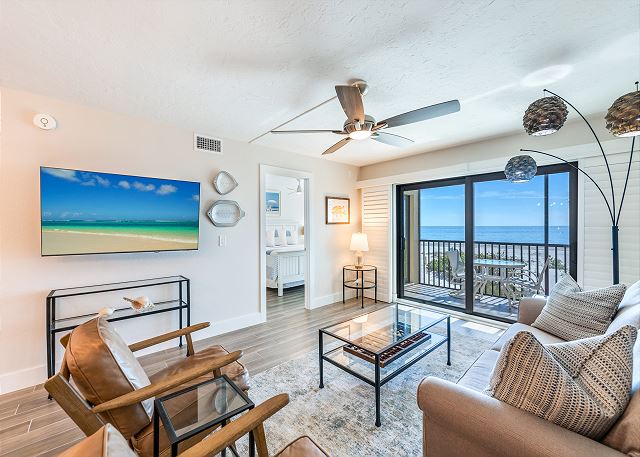
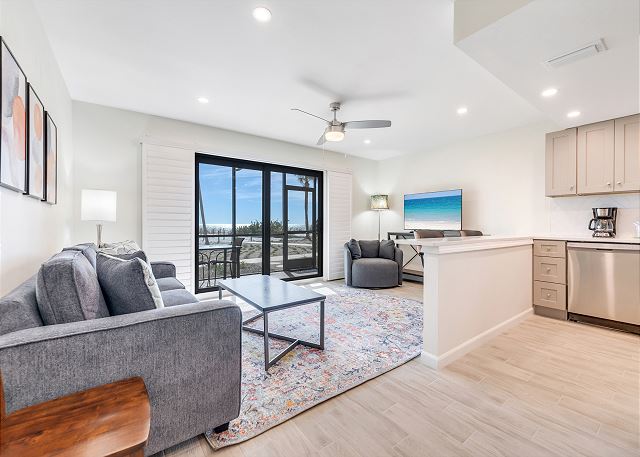
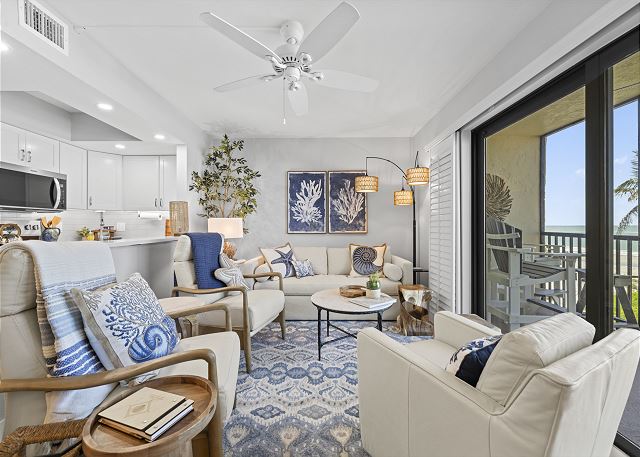
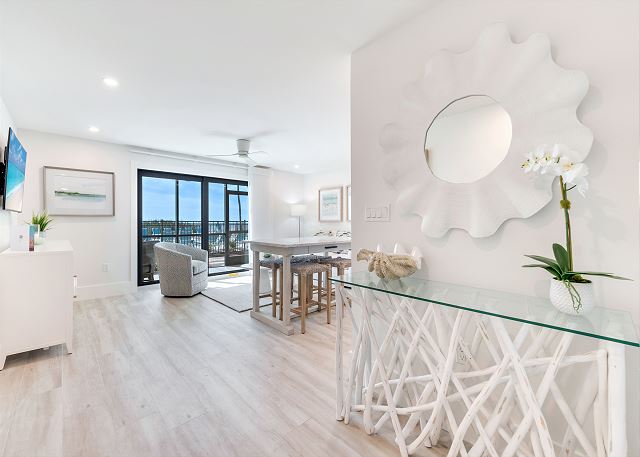
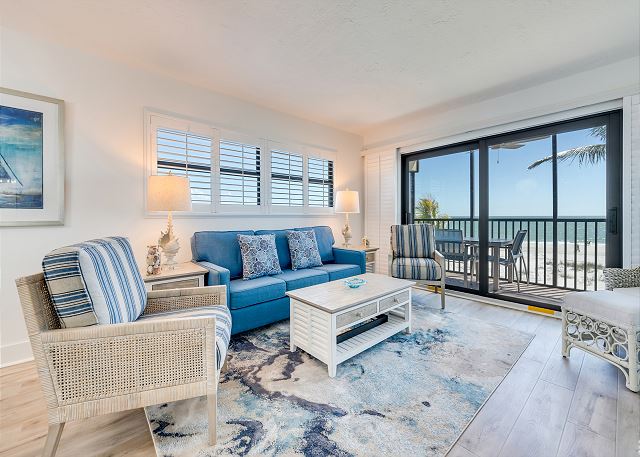
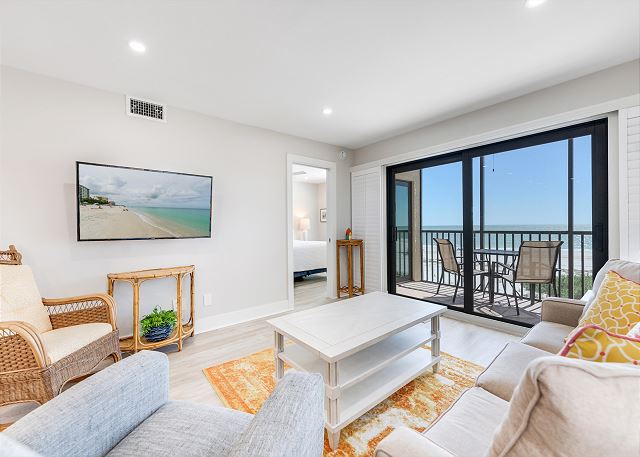
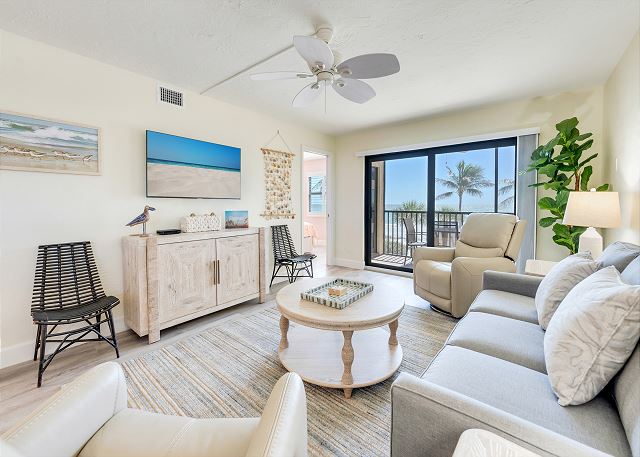
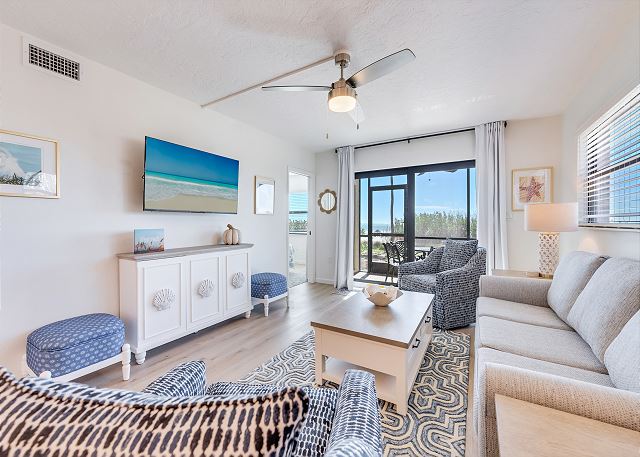
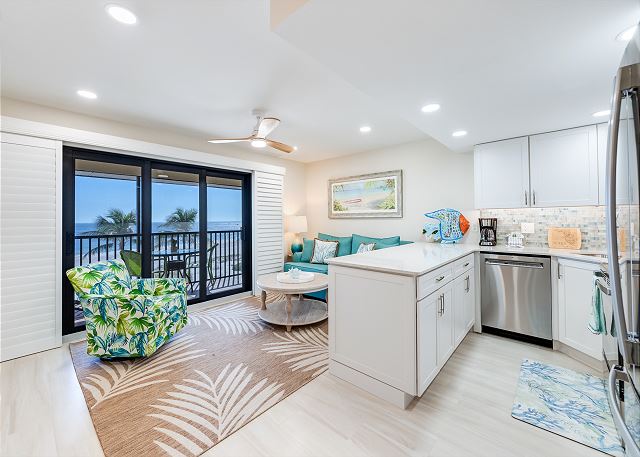
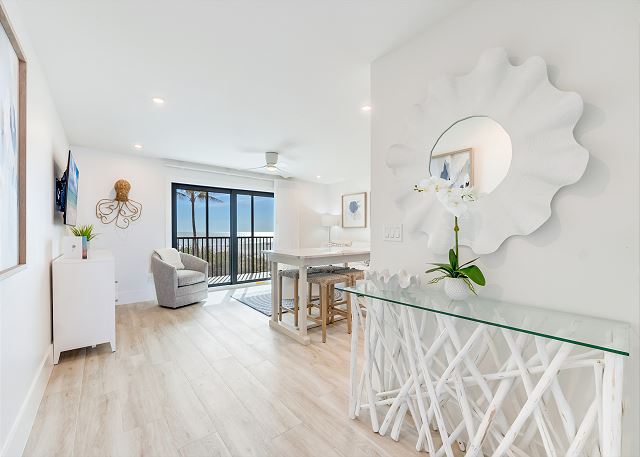
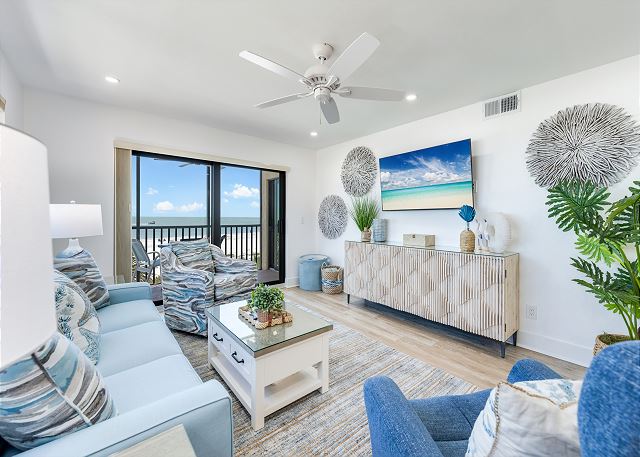
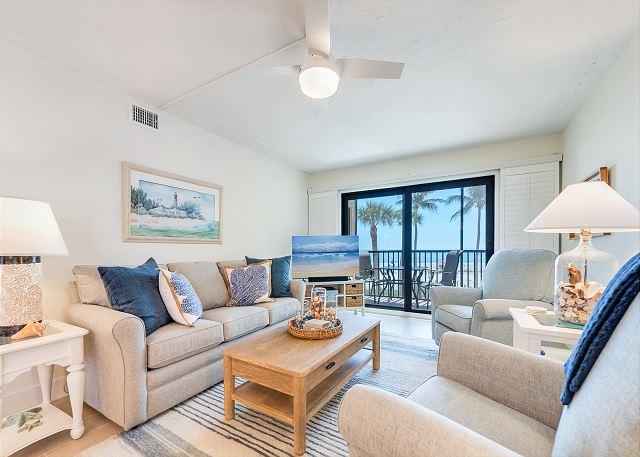
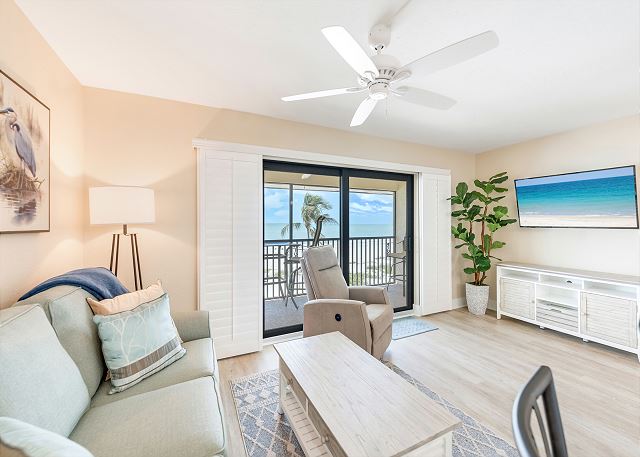
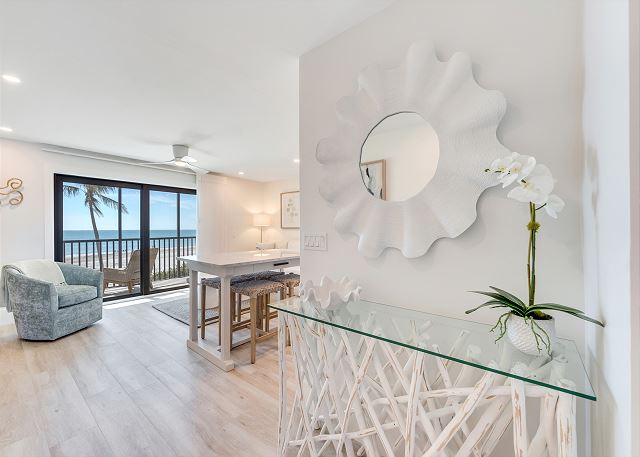
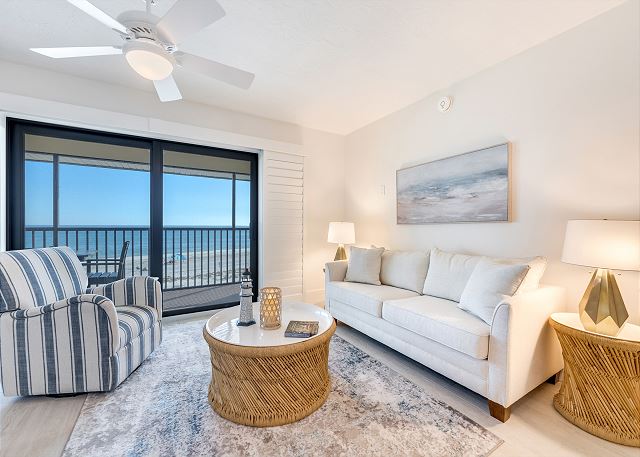
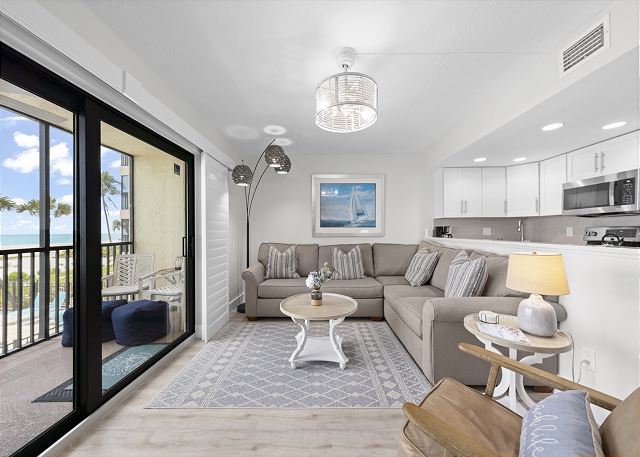
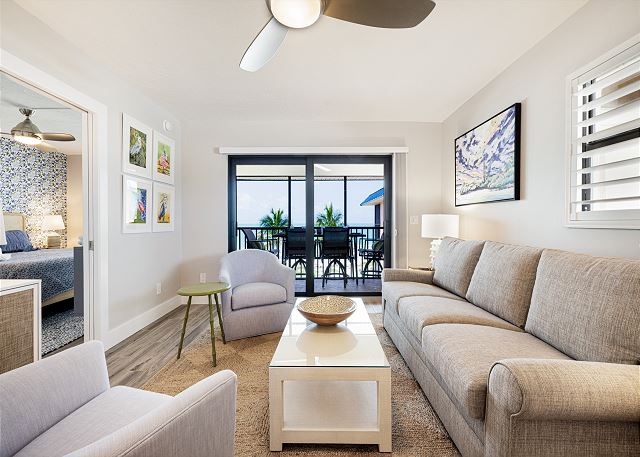
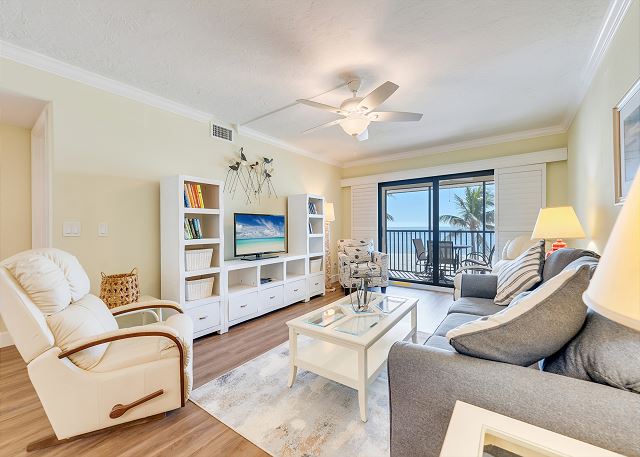
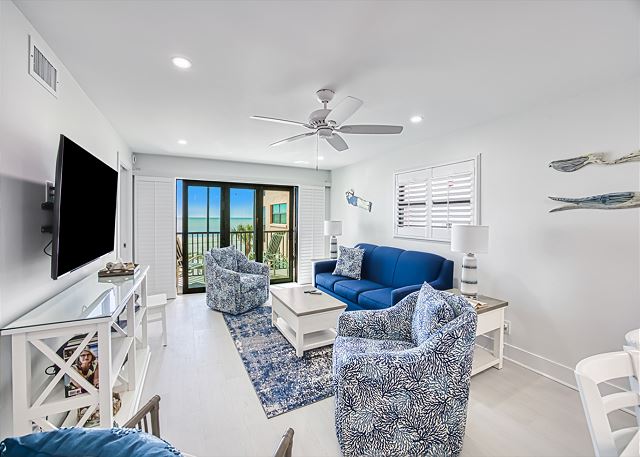
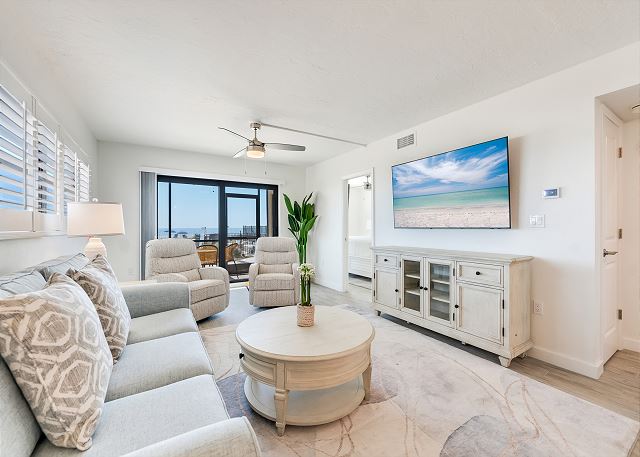
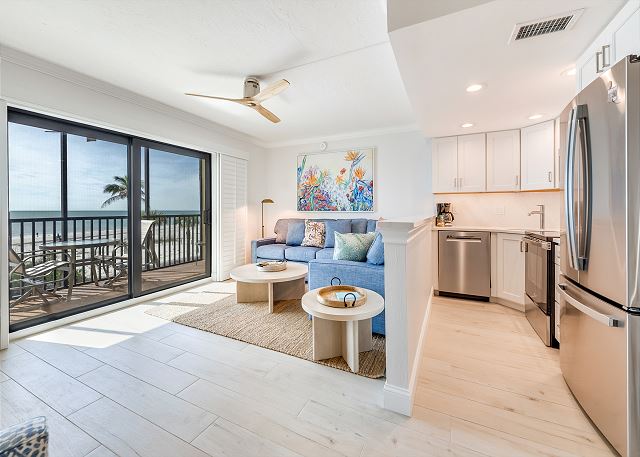
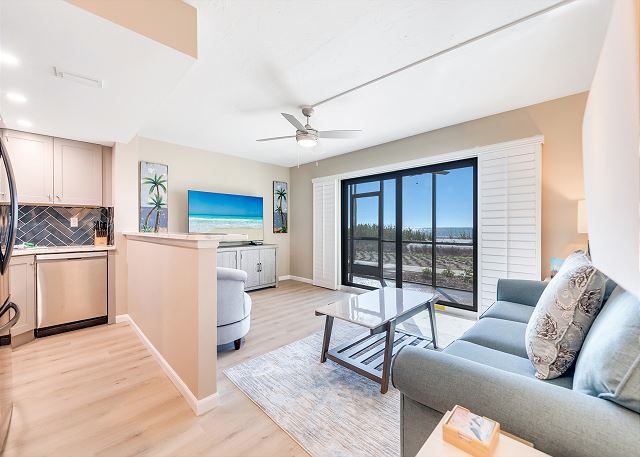
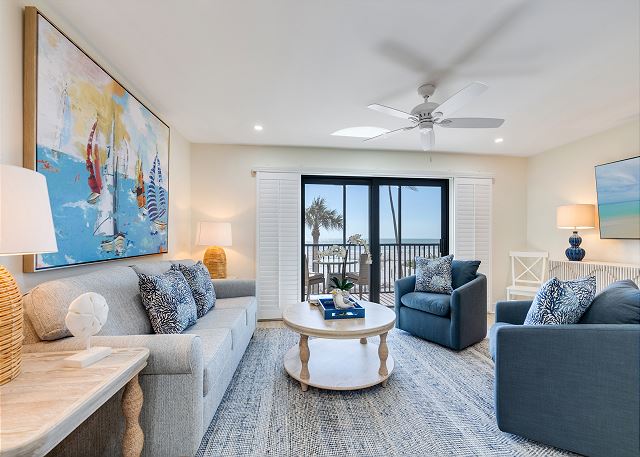
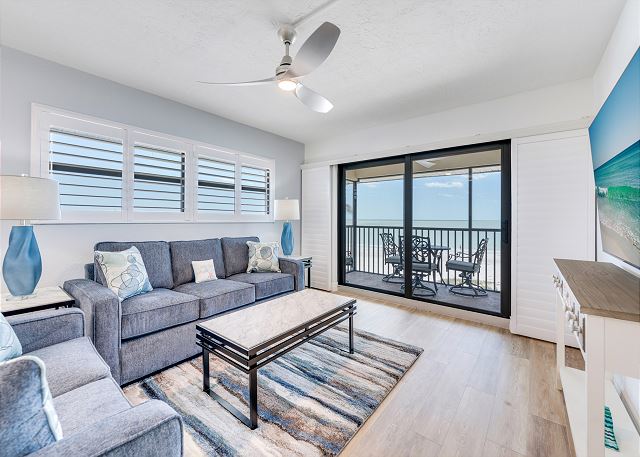
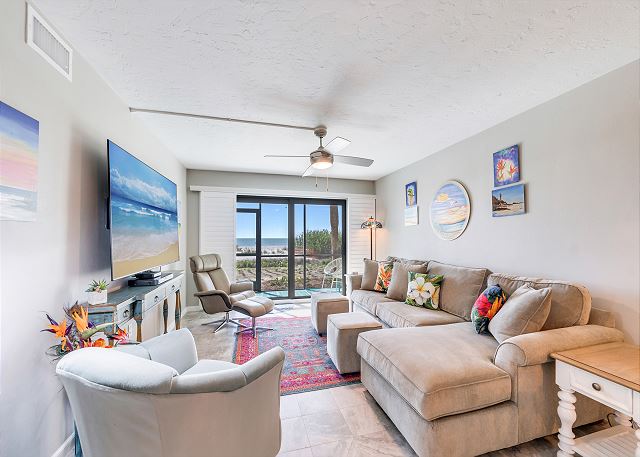
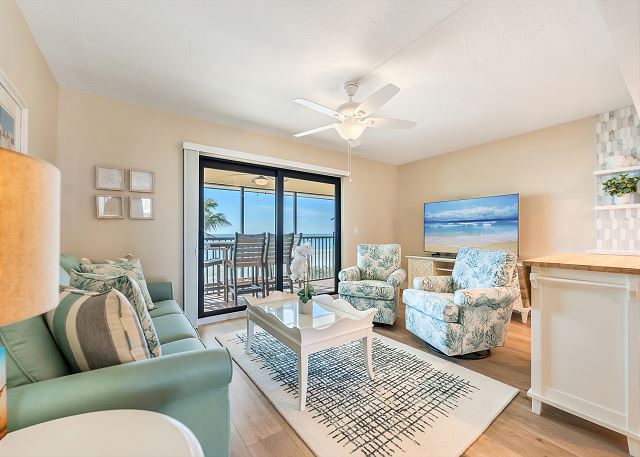
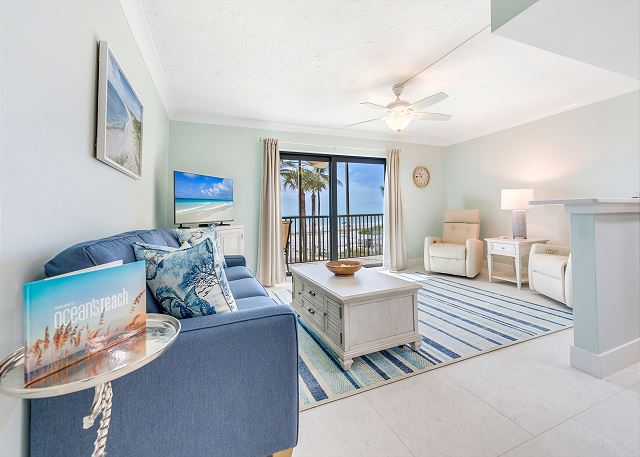
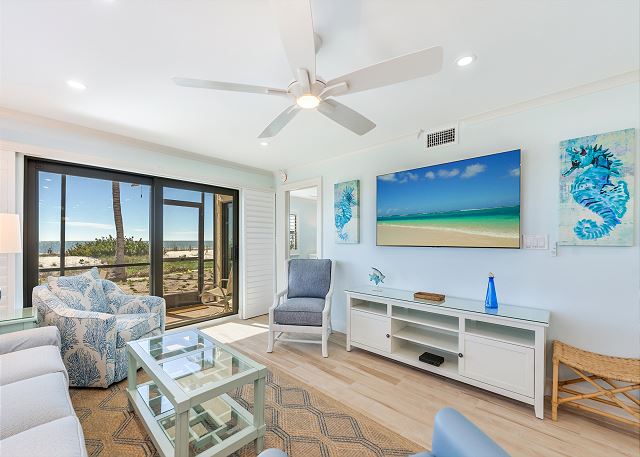
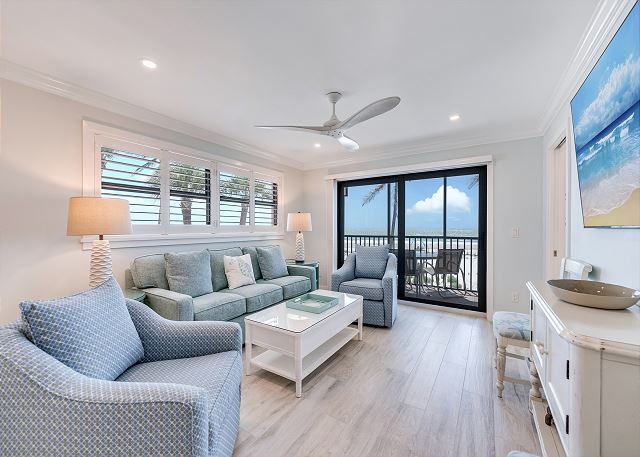
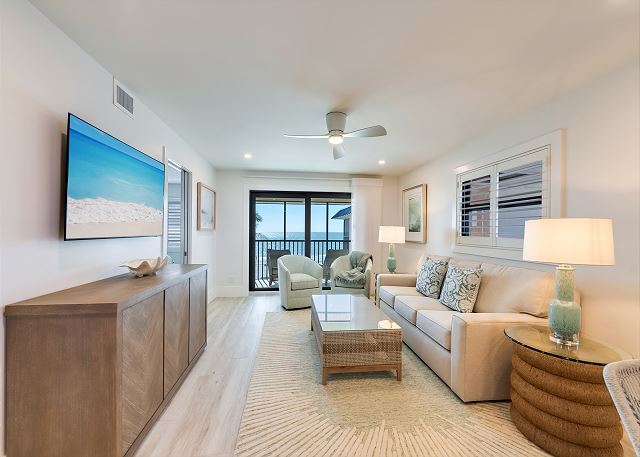
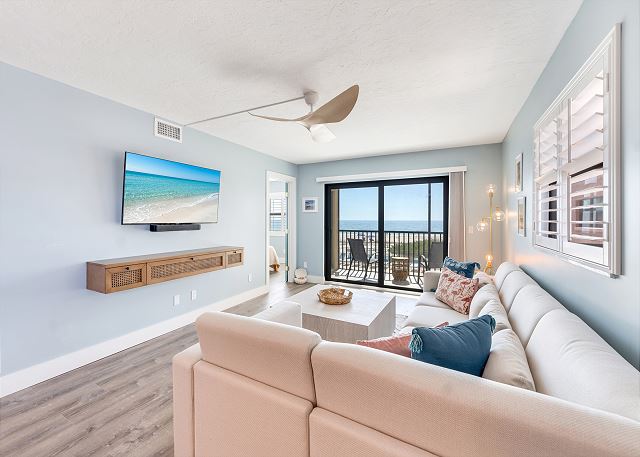
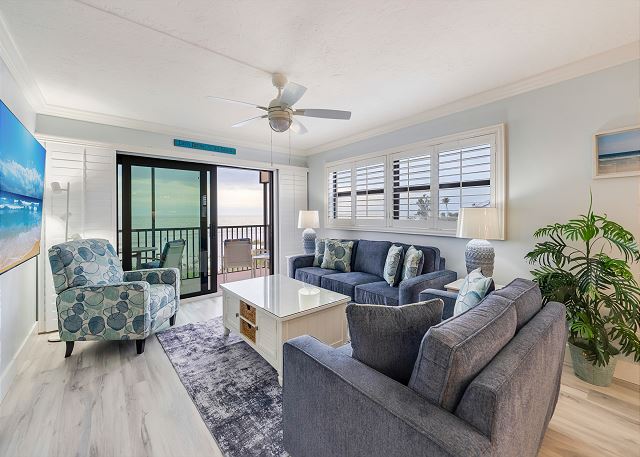
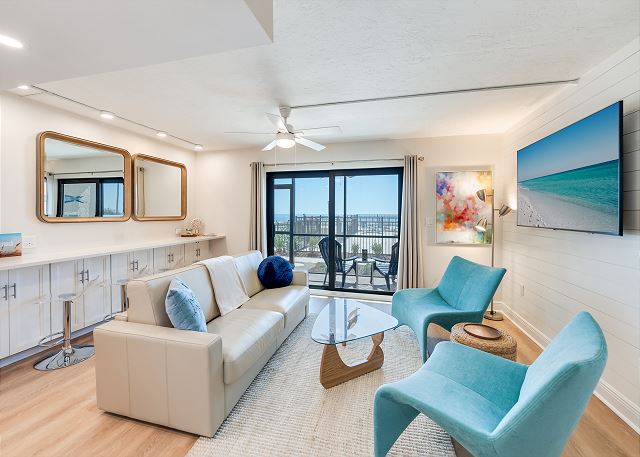
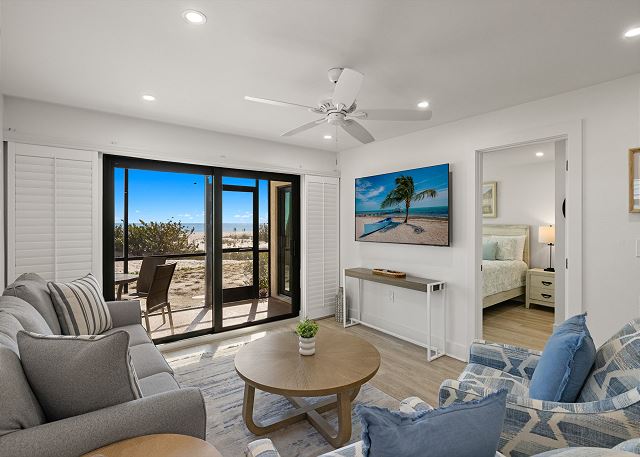
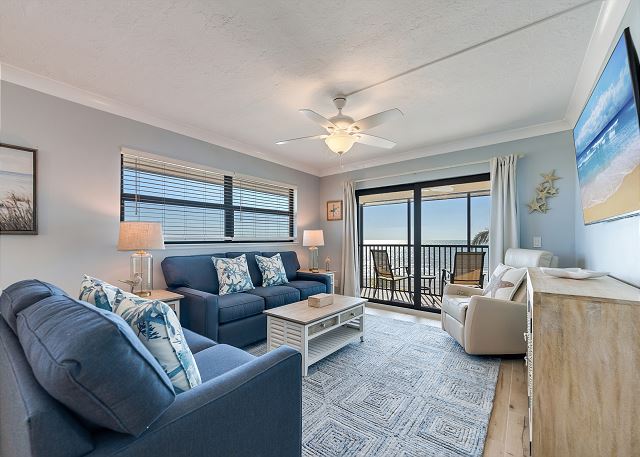
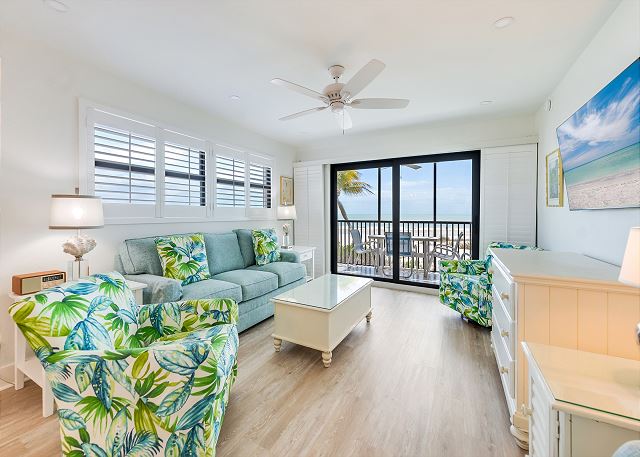
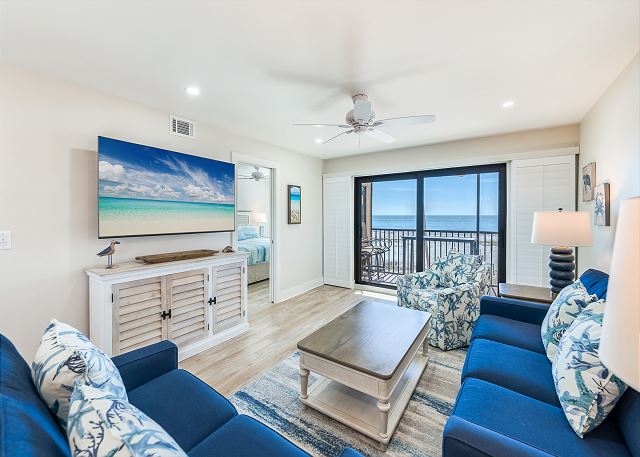
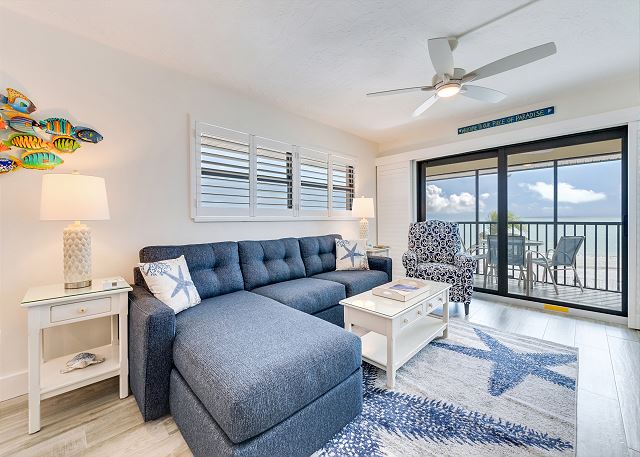
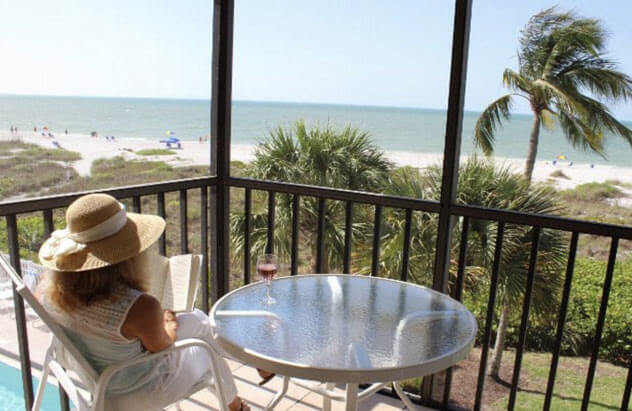
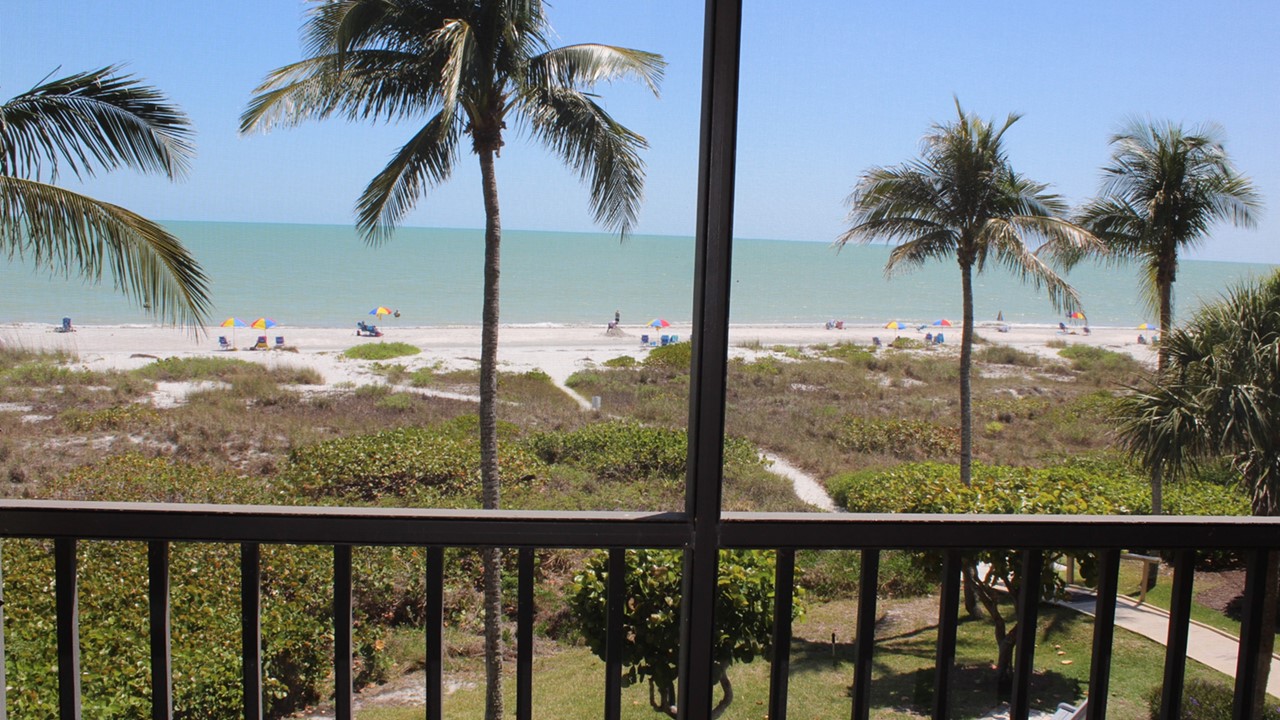
Ocean’s Reach is Sanibel Island’s favorite condo rental resort. Each of our beautifully-appointed 1– and 2–bedroom condo rentals has breathtaking vistas of the Gulf of Mexico that you can enjoy from the comfort of your private lanai. Our beachfront vacation rentals are perfect for watching the sun rise before you head out to indulge in all of the first-rate amenities we provide.
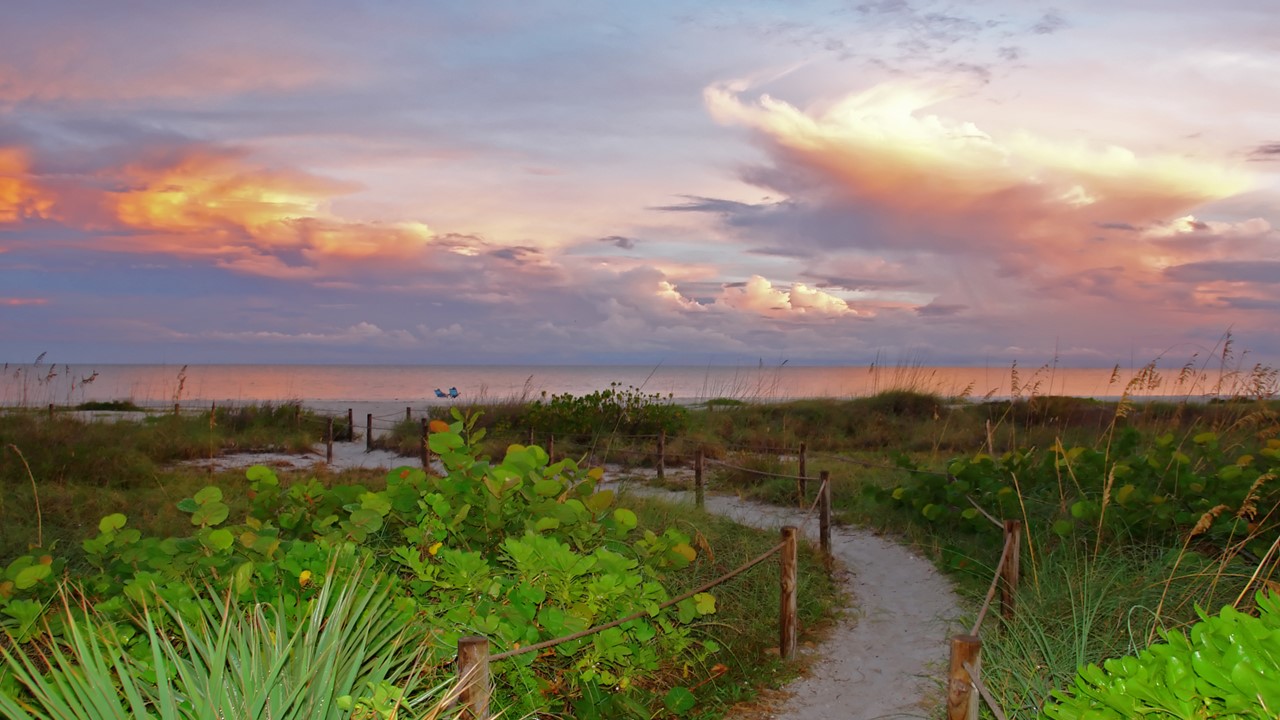
On the beach, but off the beaten-path, our Sanibel condo rentals keep you close to island restaurants, shops, and attractions while still being secluded enough to keep feeling like you’re getting away from it all. Ocean’s Reach is only 19 steps from the beach, which means you’ll never have to travel far to enjoy a swim in the Gulf of Mexico.
When you stay in one of our Sanibel condo rentals, you’re staying in the first property on Sanibel Island to be named a Florida Green Lodge, and the only vacation rental on Sanibel Island to receive the distinguished “Two Palm” Green Lodging rating. Not only do we work hard to keep your vacation environment healthy, safe and green with improvements, we’re here to assist you with anything that you might need during your stay.
Our Sanibel Island rentals also feature flexible scheduling and some of the most affordable oceanfront condo rental rates available. Join us any time of year, including last-minute getaways, special rates during our gorgeous spring season, and special privileges at The Dunes with participating condos. Whenever you decide to join us, we’re certain you’ll love our much-beloved little spot on Sanibel Island just as much as we do. And it won’t take you long to discover why so many of our guests return to Ocean’s Reach Sanibel Island rentals time and time again.


.jpg)
.jpg)

Our Featured Condo Rentals