Sanibel Island Shell Seeker
The Islander
By Kathleen E. Hoover
A Shell For Every Season
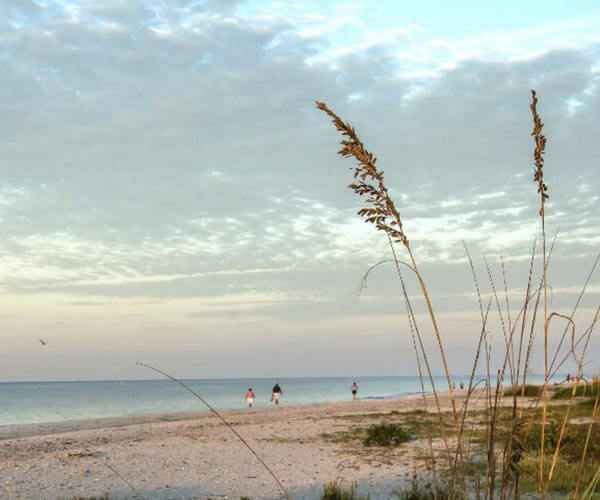
Mesmerized by the sound of the waves lapping up against the shoreline, my deepest sense of peace and tranquility is found by the sea. But it's not just the water itself that calls my spirit and soothes my soul, but all of the beauty and diversity of life the sea holds in its arms. Proximity to the sea brings a sense of sanity to a world increasingly fraught with complexity and the challenges of everyday life.
As a youngster, collecting shells embodied a sense of adventure and provided the opportunity to spend time with my Grandmother. Every walk on the beach was like a treasure hunt. Also, it was also a chance to acknowledge and honor the natural wonders we have been given.
Over the years spending time by the ocean and collecting shells became something more. There was a sense of connection with non-human living things. At some point, it was no longer enough to discover the shell. There was a need to know the species, the habitats serving as their home, what they feasted on, and the critters they could fall prey to.
Mollusks always have held importance for mankind. Initially, the primary interest was a food source followed by how shells could be used for tools, cooking utensils, or ornamental decoration.
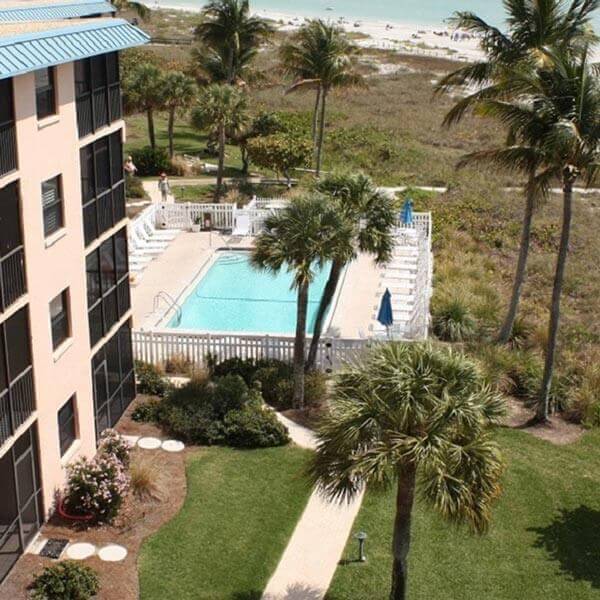
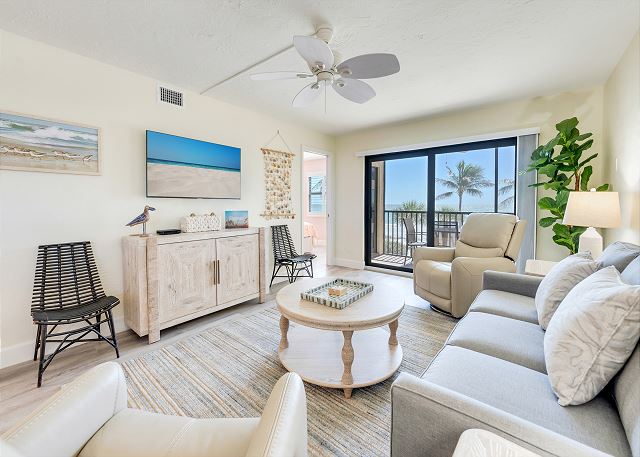
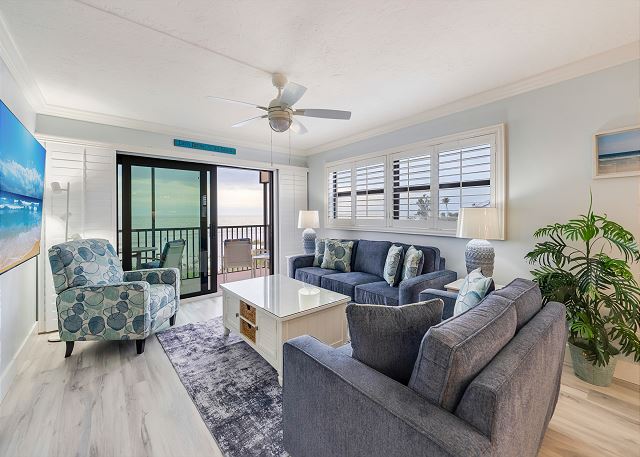
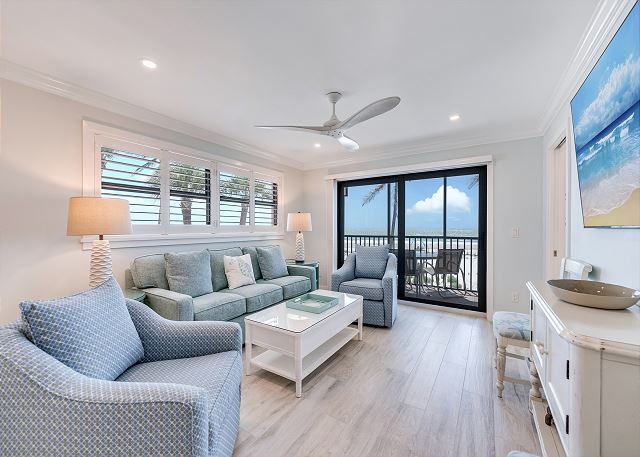
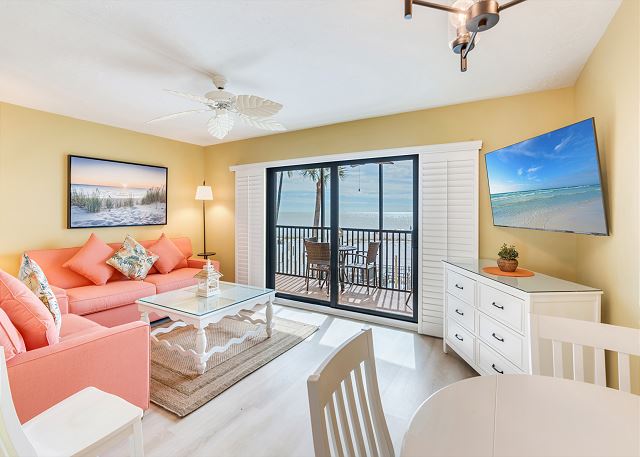
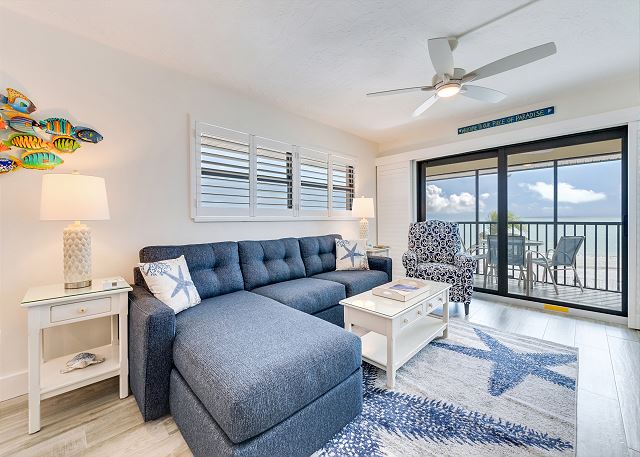
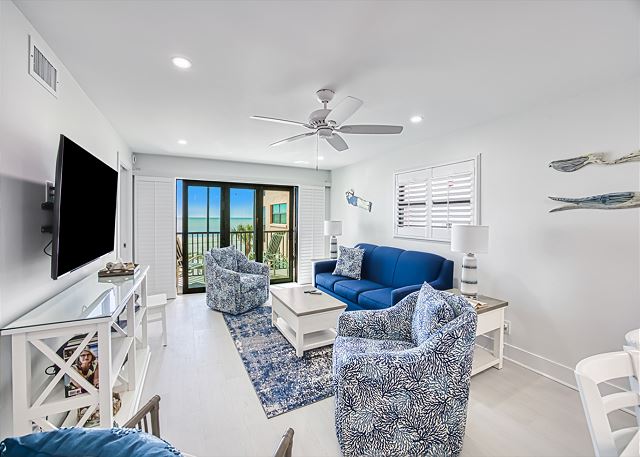
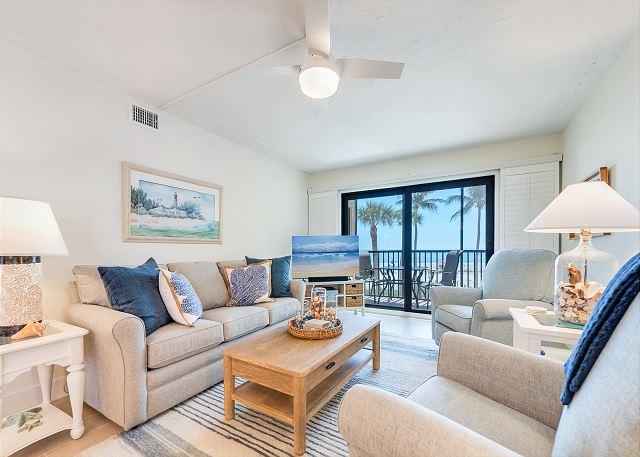
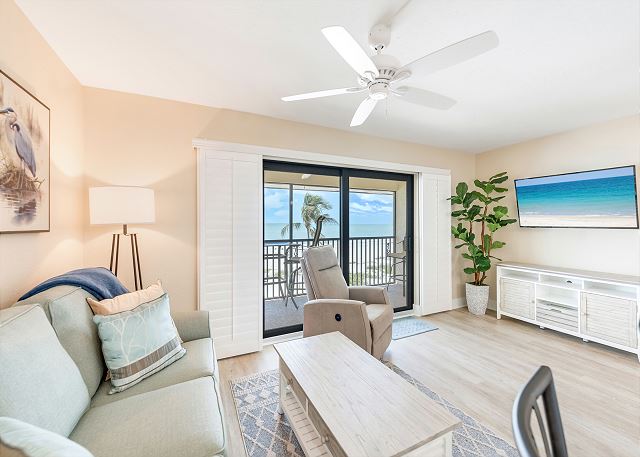
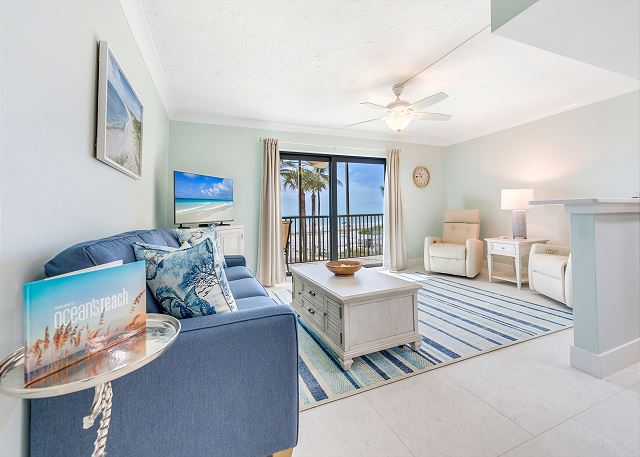
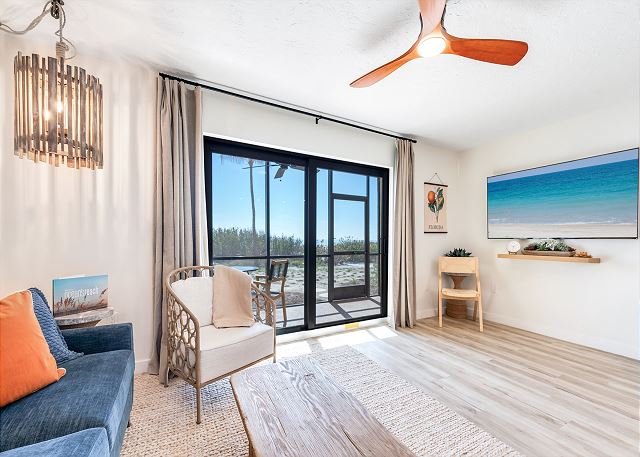
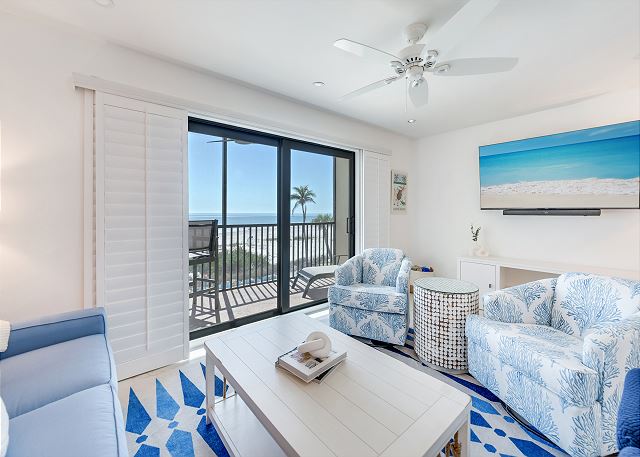
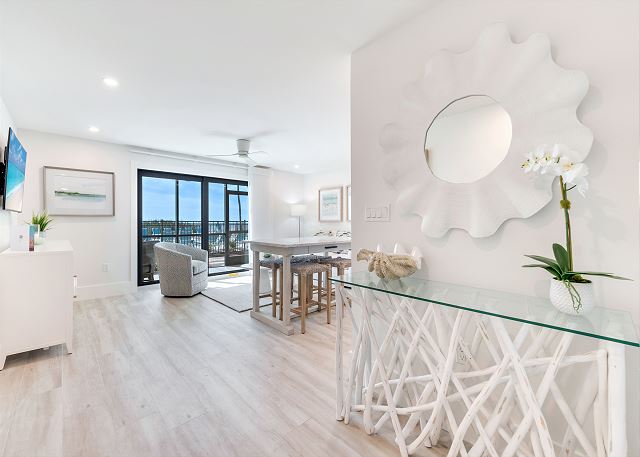
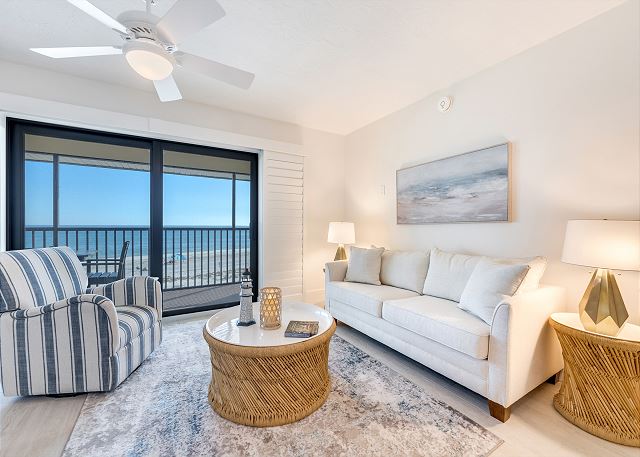
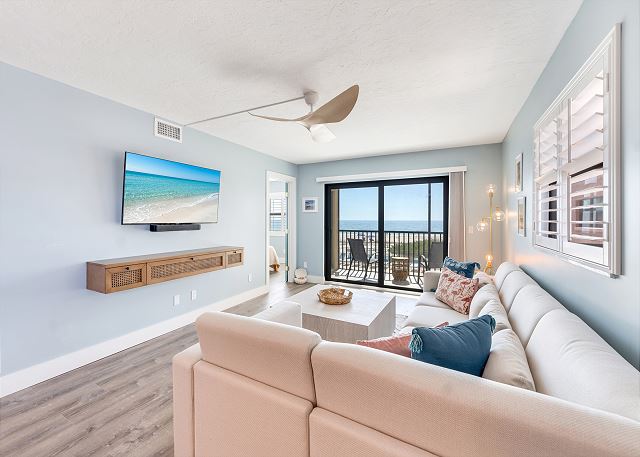
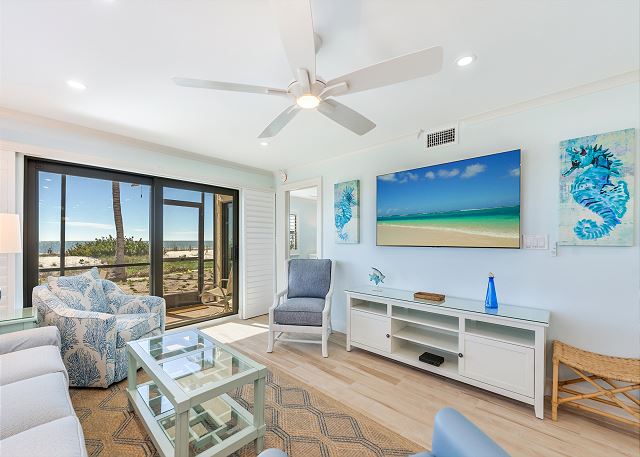
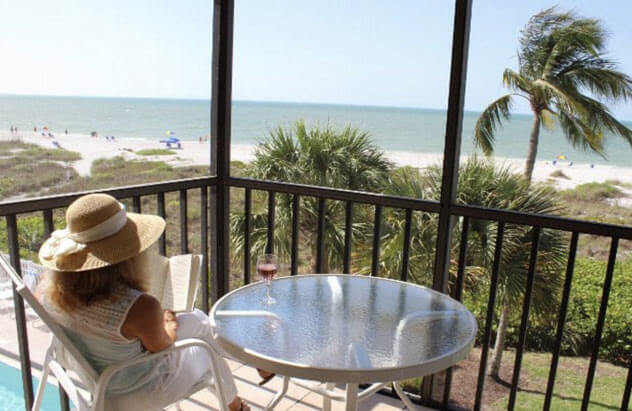
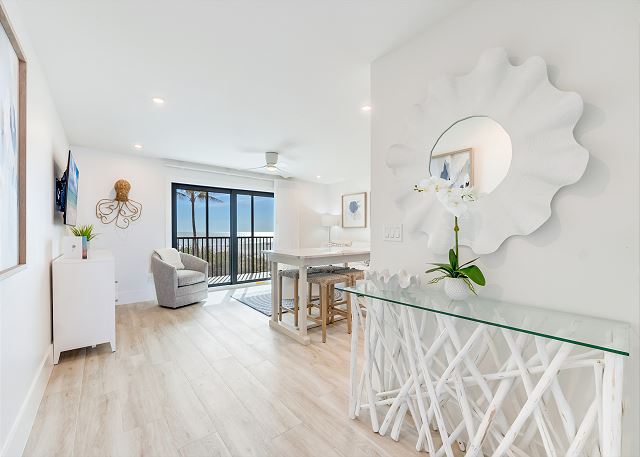
Recently I ushered in a new decade of my life, celebrating my birthday with a long weekend at Ocean's Reach Condominiums, right here on Sanibel. My birthday wish was to be engulfed with the serenity experienced living by the sea, (a wish granted in part by the hospitality extended by the Ocean's Reach team), spending quality time with my family, and endless "guilt-free hours" discovering the precious treasures awaiting detection on the beach or in the shallow water. Since it was such a special occasion, I felt entitled to a rare occurrence like a junonia or lion's paw. This was the only part of my dream that didn't come true.
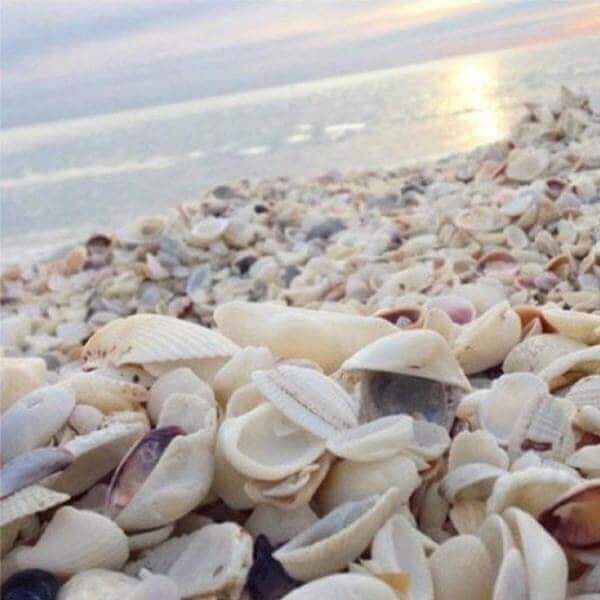
Have you ever looked at a shell and wished it could speak to you, sharing the fascinating tale of its life? Finding perfect shells is nothing short of amazing when you think that they've survived tumultuous storms, hurricanes and being tossed through crashing waves. Was it strength or luck that allowed them to rest just above the tide line?
As a young adult, I began cataloging my finds. Perhaps it was a means of putting order in part of my life when there were so many facets beyond my control. There is a drive to learn more and to build on my skills and knowledge. My wonderment at the diversity of sea life and shells never ceases and there is an element of immortality that creeps into the picture. A new species discovered could carry my name or a perfect Sanibel species suitable for inclusion in the Shell Museum's Sanibel Collection could be nestled in a little box with a card outlining all the pertinent specimen information and a collector notation.
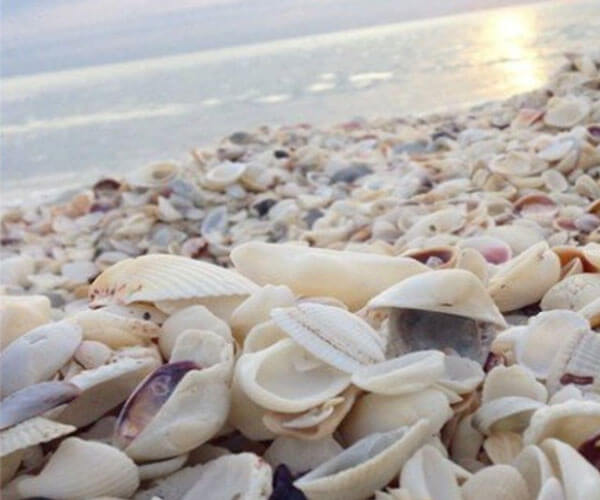
For me the passion is sharing my passion with others. My position as the public relations manager for the Museum provides the perfect venue. Combing the beach in front of Ocean's Reach, my husband and I found over 60 species of shells. My birthday trip produced about six gallons of shells which were donated to the Museum. As I'm writing this article, a Museum Volunteer, Marguerite Pilcher, is packing prickly cockles in School Kits mailed to about 200 schools each year. The fighting conchs and giant American cockles made their way to the giant clam outside the Great Hall of Shells, as each child that visits the Museum leaves with a shell.
There are times when it's difficult to masquerade the fact that I'm The Islander's "shell lady," like as I painstakingly sifted gallons of shell grit looking for miniature shells. Other guests would stop by with questions. Answers included:
- The reason there are so many shells on the beach this sunny summer day is that a tropical storm passed by the coast of Sanibel - a sheller's summer delight!
- Add more luster to your shells by polishing them with mineral oil. (If you ever intend to submit specimens to a scientific collection chemicals should not be used on the shells.)
- First, place sand dollars (non-living) in water. The water will turn a brownish color. Keep changing the water until it's clear. Then soak for 15 minutes in a bleach solution. Rinse. Dry in the sun and then paint with a coat of 50% Elmer's Glue and 50% water.

- After cleaning with water, soak sea stars and sea horses (non-living) in 70% alcohol for one to two nights. Put them in the sun to dry. Flatten sea stars with a small weight to keep them from curling.
So, why do I collect shells? To share my passion with others, to make the world a different place and to temporarily escape the challenges of daily life.
See videos of Kathleen on the beach shelling telling it like it is Sanibel Videos.